
Roasted cabbage can be a delightful addition to any dinner table, and I believe it truly embodies comfort food at its best. Simple yet satisfying, this Diabetic Friendly Roasted Cabbage recipe invites both seasoned home cooks and beginners to savor a taste of warm, roasted goodness. Offering a rich texture and subtle sweetness, roasted cabbage is not just a dish; it’s a celebration of wholesome ingredients and the ease of home cooking.
The key components of this recipe are straightforward. It starts with one head of cabbage, which brings a lovely crunch and a mild earthy flavor. Then, we add two tablespoons of olive oil, bringing healthy fats that enhance taste and nutrition. A sprinkle of salt and pepper is essential, while optional ingredients like garlic powder and paprika can elevate the dish with additional depth and warmth. The combination of these ingredients creates a flavor profile that is nutty, savory, and slightly sweet, making it the perfect side dish.
Cooking this dish is as easy as pie. First, you preheat your oven to 400°F (200°C). Next, cut the cabbage into wedges, arrange them on a baking sheet, and drizzle with olive oil. Just sprinkle in some salt, pepper, and any spices you enjoy. Next, roast the cabbage in the oven for about 25-30 minutes, flipping halfway through. By the end, you’ll have lovely tender wedges with a slightly browned appearance. The best part? Serving it warm is all you need to do for a healthy and delicious side.
This simple roasted cabbage is perfect for chilly nights when you want something warm and comforting. It is also great to serve at potlucks or family gatherings, where it can impress guests without requiring hours of preparation.
Why You’ll Love This Diabetic Friendly Roasted Cabbage
- Quick: The recipe comes together quickly, making it ideal for busy weeknights.
- Simple Ingredients: Requires just a handful of common ingredients, which are easy to find.
- Comfort Food: Provides a satisfying and hearty side dish without compromising on health.
- Nutritious: Packed with vitamins and low in carbs, it is health-conscious and diabetic-friendly.
- Customizable: Easy to adjust with seasonings or accompaniments based on your taste.
Cabbage Tips
When choosing your cabbage, look for a head that feels heavy for its size and has crisp, vibrant leaves. Avoid any that appear wilted or have dark spots. If you’re unsure, a green cabbage is a versatile choice, providing a satisfying crunch. For an added layer of flavor, you might consider soaking the wedges in cold water for a few minutes to clean them and then dry them well before cooking. This method ensures the cabbage roasts evenly and becomes beautifully tender.
Options for Substitutions
- Olive Oil: Substitute with avocado oil or melted coconut oil for a different flavor.
- Salt: Use garlic salt or onion salt for an extra kick.
- Pepper: Red pepper flakes can add heat if you enjoy spice.
- Garlic Powder: Fresh minced garlic is a wonderful alternative for a more robust flavor.
- Paprika: Smoked paprika can bring a wonderful depth to the dish.
- Cabbage: Other vegetables, like Brussels sprouts or cauliflower, can also be roasted in a similar way.
Watch Out for These Mistakes
When making roasted cabbage, a few common pitfalls can affect your outcome. First, be careful not to overcrowd the baking sheet. Giving the cabbage enough space allows it to roast rather than steam, which means getting those delicious, crispy edges. Overcooking can also lead to mushy cabbage. Keep a close eye and try to take it out just as it starts to turn golden brown.
Another mistake is in the seasoning. Cabbage needs proper seasoning to enhance its flavor. Don’t skip the salt and pepper; they are essential for balancing the cabbage’s natural sweetness. Lastly, be mindful of the cooking time. If you add additional ingredients, like cheese or breadcrumbs, do so later in the cooking process to prevent burning.
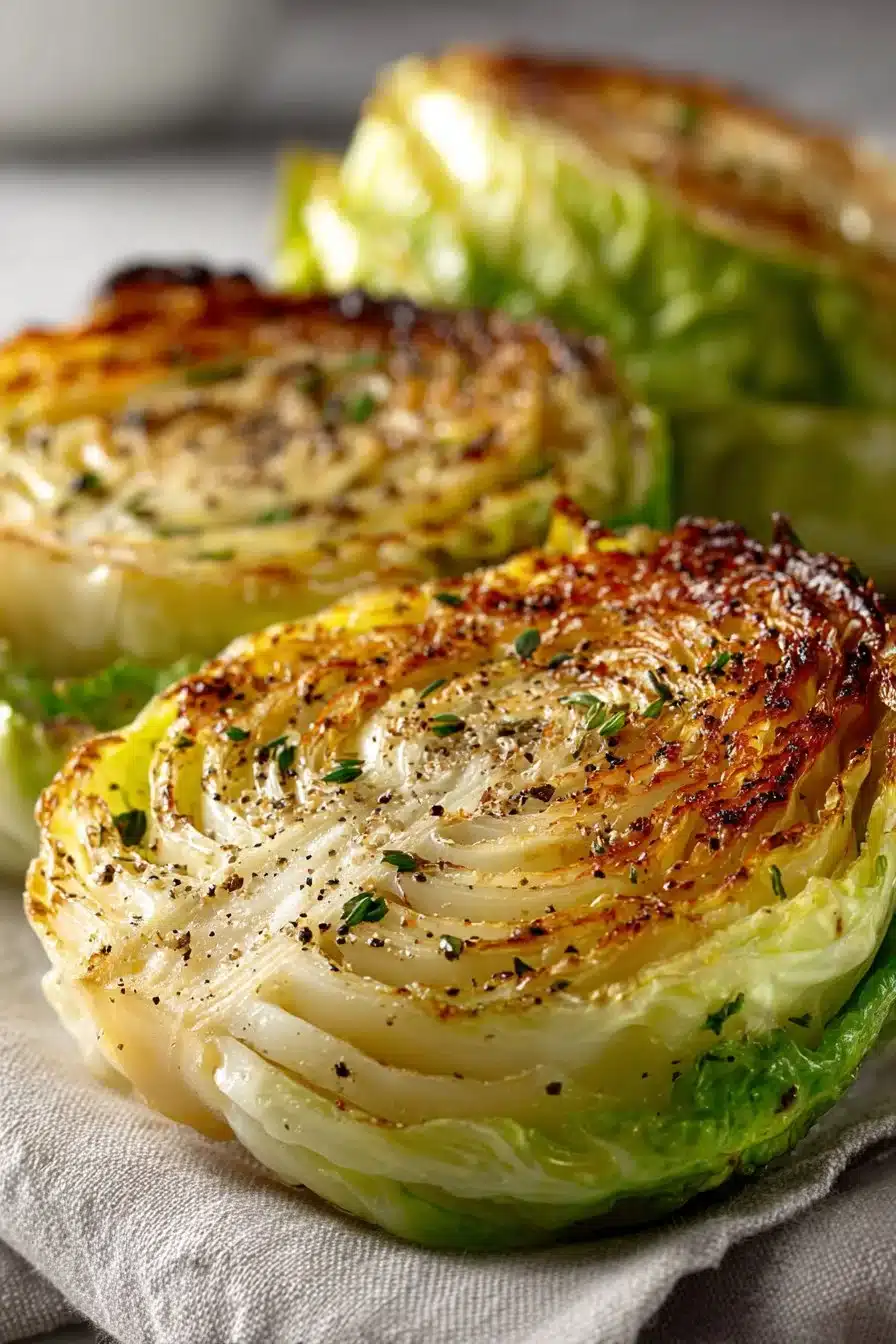
What to Serve With Diabetic Friendly Roasted Cabbage?
This roasted cabbage pairs well with several side dishes. Consider serving it alongside grilled chicken for a light meal, or with a hearty bean salad for added protein. It also complements fish nicely, particularly oven-baked varieties like salmon. For a complete feast, combine it with a quinoa salad or some roasted sweet potatoes.
Storage Instructions
Store: You can store leftover roasted cabbage in the refrigerator for up to three days. Just place it in an airtight container.
Freeze: If you have more than you can eat, roasted cabbage can be frozen for about two months. Make sure to let it cool thoroughly before storing.
Reheat: To reheat on the stovetop, add a little olive oil in a skillet over medium heat and warm, stirring until heated through. If you prefer the microwave, do so in 30-second increments until hot, but note that this may soften the texture.
Recipe Info
- Preparation Time: 10 minutes
- Cooking Time: 30 minutes
- Total Time: 40 minutes
- Level of Difficulty: Easy
- Servings: Approximately 4
Estimated Nutrition
Estimated nutrition for the whole recipe (without optional ingredients):
- Calories: 180-220
- Protein: 4-6 grams
- Fat: 10-14 grams
- Carbohydrates: 20-25 grams
Ingredients
- 1 head of cabbage
- 2 tablespoons olive oil
- Salt and pepper to taste
- Optional: garlic powder
- Optional: paprika
Step-by-Step Instructions
Step 1: Preheat Oven and Prep Baking Sheet
Begin by preheating your oven to 400°F (200°C). This is an important first step to ensure that your cabbage roasts evenly and gains that desirable tenderness and slight crispness.
Step 2: Prepare the Cabbage
Next, cut the cabbage into wedges. Aim for 6 to 8 manageable pieces depending on the size of the cabbage. Place these wedges on a baking sheet lined with parchment paper to make cleanup easier.
Step 3: Season the Cabbage
Drizzle the cabbage wedges with two tablespoons of olive oil. Make sure to coat each wedge evenly. Then, sprinkle generously with salt and pepper, and add any optional spices like garlic powder or paprika for added flavor.
Step 4: Roast the Cabbage
Place the baking sheet in your preheated oven and roast the cabbage for about 25-30 minutes. Remember to flip the wedges halfway through the cooking time to help them brown evenly on both sides.
Step 5: Check for Doneness
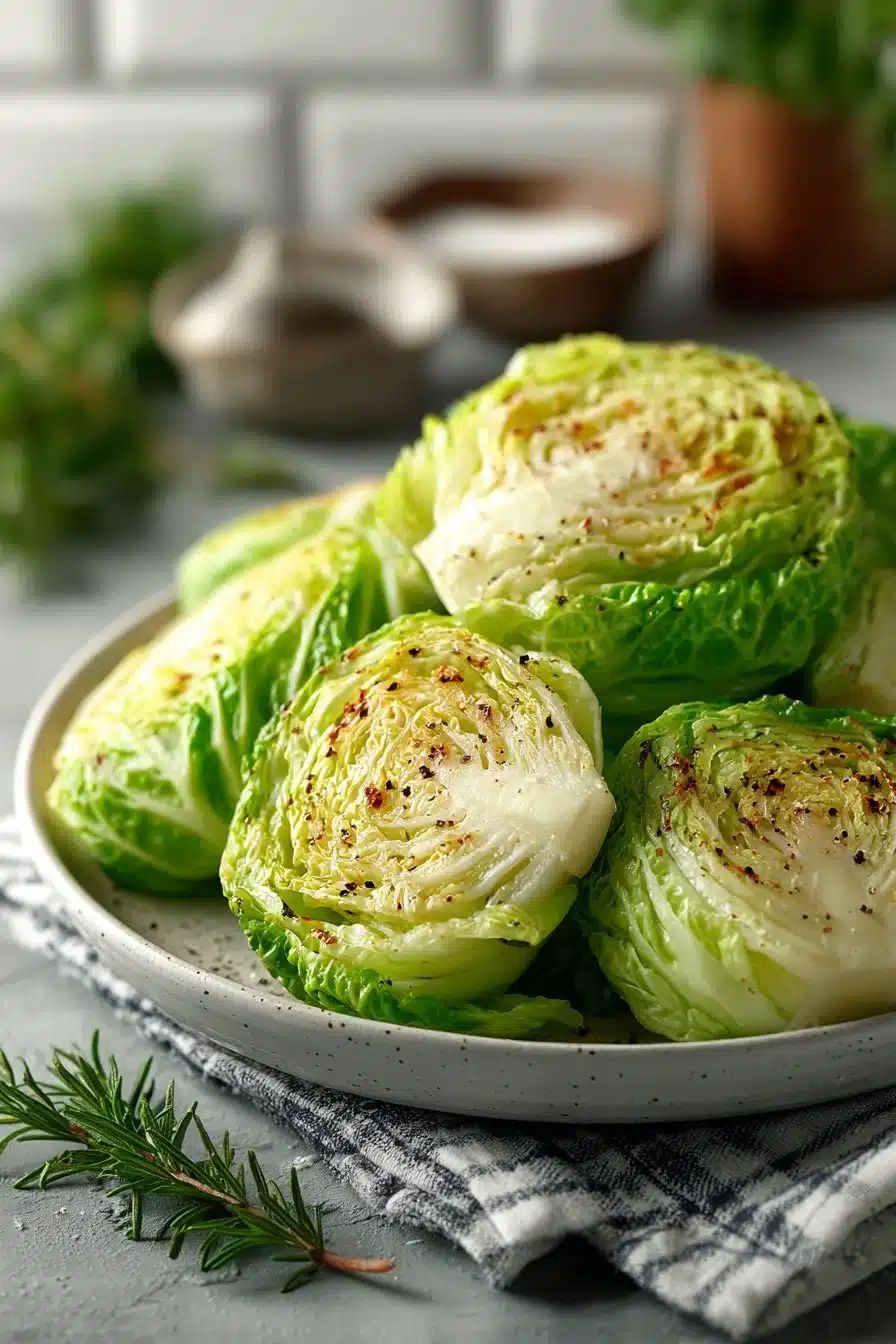
When the cabbage is tender and has developed a slightly browned exterior, it’s ready to be taken out of the oven. The aroma will be irresistible at this point—just be sure not to overcook.
Step 6: Serve Warm
Once removed from the oven, serve the roasted cabbage warm as a healthy side dish. Enjoy the flavors, and feel free to share with your family and friends.
Conclusion
In summary, this Diabetic Friendly Roasted Cabbage recipe is an excellent option for anyone seeking a nutritious and easy-to-make side dish. With just a few simple ingredients and minimal effort, you can create a flavorful and satisfying accompaniment to your meals. Give this recipe a try and experience the delightful flavors yourself. I would love to hear what you think, so please feel free to share your thoughts or explore more similar recipes on the blog!
Print
Diabetic Friendly Roasted Cabbage
- Prep Time: 10 minutes
- Cook Time: 30 minutes
- Total Time: 40 minutes
- Yield: 4 servings 1x
- Category: Side Dish
- Method: Roasting
- Cuisine: American
- Diet: Diabetic Friendly
Description
A simple, nutritious side dish of roasted cabbage, perfect for a comforting meal.
Ingredients
- 1 head of cabbage
- 2 tablespoons olive oil
- Salt to taste
- Pepper to taste
- Optional: garlic powder
- Optional: paprika
Instructions
- Preheat your oven to 400°F (200°C).
- Cut the cabbage into wedges and arrange them on a baking sheet lined with parchment paper.
- Drizzle the wedges with olive oil and sprinkle with salt, pepper, and any optional spices.
- Roast the cabbage for about 25-30 minutes, flipping halfway through.
- Check for tenderness and a slightly browned exterior before removing from the oven.
- Serve warm as a healthy side dish.
Notes
Storage: Refrigerate leftovers for up to three days or freeze for about two months. Reheat on the stovetop or microwave.
Nutrition
- Serving Size: 1 serving
- Calories: 200
- Sugar: 4g
- Sodium: 300mg
- Fat: 12g
- Saturated Fat: 2g
- Unsaturated Fat: 8g
- Trans Fat: 0g
- Carbohydrates: 20g
- Fiber: 5g
- Protein: 6g
- Cholesterol: 0mg
