
When it comes to family traditions, decorating Easter eggs is a cherished activity that evokes warmth and creates lasting memories. The process of making naturally dyed Easter eggs is not just a fun craft; it is an experience that brings people together, young and old. There’s something special about gathering around the table to create beautiful, colorful eggs that capture the essence of spring. This activity is pure joy, allowing you to express creativity while teaching valuable skills to younger generations.
What makes naturally dyed Easter eggs particularly appealing is the simplicity of the ingredients used. You will need some basic staples like hard-boiled eggs, white vinegar, and a selection of natural dye sources. The vibrant colors come from ingredients such as the skins from yellow onions, turmeric, red cabbage, beets, chili powder, and even fresh parsley. Each dye offers a unique color profile, providing everything from bright yellows to deep blues and reds. The flavors may remain in the background, but the beauty shines through, making each egg an edible work of art.
The method is straightforward, making it accessible even for those who may not consider themselves “crafty.” Begin by boiling two cups of water for each dye color you plan to create. Once the water reaches a rolling boil, add in your chosen dye ingredient and let it simmer for 25 to 30 minutes. After straining the liquefied dye into jars and allowing them to cool, add a splash of white vinegar and submerge your boiled eggs. A soak of just 20 minutes will yield lovely hues, but feel free to let them sit longer for richer colors. Each dye source behaves differently, so uncapping the jars to check the progress ensures you achieve the perfect shade. Finally, a quick blot and some air drying will make them ready for display or storage.
These naturally dyed Easter eggs are perfect for family gatherings, celebrations, or even as delightful gifts for neighbors. They can also serve as a centerpiece for your holiday table, adding a splash of color and a touch of flair. Whether you are hosting an Easter brunch, engaging in a springtime activity with grandchildren, or just looking for a creative outlet, this project provides the ideal way to bring the family together while making something special.
Why You’ll Love This Naturally Dyed Easter Eggs
- Natural Ingredients: You can feel good about the ingredients you use, as they are all natural and safe.
- Creative Expression: Each egg can reflect your unique style and creativity in decorating.
- Family-Friendly Activity: This is an engaging way for families to bond, especially with grandchildren.
- Eco-Conscious Choice: Ditch the dyes from the store and embrace eco-friendly alternatives that are easy to find.
- Celebratory Tradition: Decorating Easter eggs is a time-honored tradition, breathing life into your holiday celebrations.
Egg-cellent Tips for Hard-Boiled Eggs
When it comes to hard-boiled eggs, quality matters. Buy eggs that are fresh but a week or so old for easier peeling after boiling. Fresh eggs are often harder to peel due to the tight bond between the shell and the membrane. It’s a good idea to let the eggs reach room temperature before boiling, as sudden temperature changes can cause cracks. To hard-boil, place the eggs in a single layer in a pot, cover them with water, and bring to a boil. Once you remove them from heat, let them sit covered for about 12 to 15 minutes. Following this, cool them in an ice bath to stop the cooking and make peeling a breeze.
Options for Substitutions
- Different Types of Eggs: You can use duck or quail eggs for a fun twist on traditional chicken eggs.
- Substitute Dyes: Experiment with other natural dye sources such as beet juice for pink or avocado leaves for green shades.
- Vinegar Alternatives: Use lemon juice instead of white vinegar to brighten colors.
- Fresh Herbs: Swap fresh parsley with other herbs like basil or mint for unique decorations.
- Sugar-Free Dyes: Try using fruit juices or spices that are already in your pantry for a tare dye, like paprika for a warm hue.
- Base Ingredients: If you have other natural colorants like turmeric or even coffee, these can also produce interesting results.
Watch Out for These Mistakes
Naturally dyeing eggs seems simple, but a few common pitfalls can lead to frustration. First, avoid overcooking the eggs. If they sit too long in boiling water, they may develop a rubbery texture. Be sure to cool them down quickly in an ice bath to maintain their perfect consistency.
Another common mistake is rushing the dyeing process. Letting the dye ingredients simmer for at least 25 minutes allows the vibrant colors to infuse fully into the boiling water. Skipping this step can lead to pale, lackluster results.
Lastly, when dyeing your eggs, be mindful of the vinegar addition. If you add vinegar too soon or too late in the process, the color absorption might not be optimal, resulting in eggs that lack vibrant shades. A little patience goes a long way!
What to Serve With Naturally Dyed Easter Eggs?
Naturally dyed Easter eggs are delightful on their own, but they pair beautifully with several side dishes for a festive meal. Consider serving these eggs alongside a fresh green salad with a zesty vinaigrette for a refreshing contrast. You can also whip up a classic potato salad for a hearty addition. If you’re feeling adventurous, a homemade quiche can provide a rich, savory touch. For dessert, light pastries or fruit tarts can round out the meal nicely.
Storage Instructions
Store: Keep your dyed eggs in the refrigerator in a sealed container for up to one week. Ensure they are clean and dry before storing to prolong freshness.
Freeze: It is not recommended to freeze hard-boiled eggs, as they can become rubbery upon thawing.
Reheat: To reheat, immerse them in warm water for several minutes. If using a microwave, ensure you puncture the shell first and heat for intervals of 10 seconds to prevent explosions.
Recipe Info
Preparation Time: 20 minutes
Cooking Time: 30 minutes
Total Time: 50 minutes
Level of Difficulty: Easy
Servings: Approximately 12 eggs
Estimated Nutrition
Estimated nutrition for the whole recipe (without optional ingredients):
Calories: 720-840
Protein: 60-70g
Fat: 40-50g
Carbohydrates: 20-30g
Ingredients
- Hard Boiled Eggs
- 2 Cups Water per dye color
- 2 Tablespoons White Vinegar per dye color
- Skin from 4 Yellow Onions
- 2 Tablespoons Turmeric
- ½ Head Red Cabbage
- 1 Beet chopped or shredded
- 2 Tablespoons Chili Powder
- 1 Bunch Fresh Parsley
Step-by-Step Instructions
Step 1: Prepare Your Water for Dyeing
Begin by boiling 2 cups of water in a saucepan. This will be the base for your natural dyes; you can prepare multiple pots if you want to create a variety of colors.
Step 2: Add Dye Ingredients
Once your water reaches a rolling boil, add the color-producing ingredients. For example, use the skins of yellow onions, turmeric, red cabbage, or beet. Allow these to simmer on low heat for 25 to 30 minutes, providing time for the water to absorb the colors.
Step 3: Strain the Mixture
Carefully strain the liquid into pint jars or bowls. Discard the solid dye ingredients. Allow the dye to cool completely so that you do not cook your eggs during the dyeing process.
Step 4: Vinegar and Eggs
Once the dye is cool, add 2 tablespoons of white vinegar to each jar. This acid helps the dye adhere better to the egg’s shell for brighter results. Now, gently place your hard-boiled eggs into the dye.
Step 5: Soak Until Desired Color Is Achieved
Let the eggs soak in the dye for at least 20 minutes. Keep an eye on the eggs as they absorb color, and feel free to leave them longer for richer hues.
Step 6: Dry and Store
After reaching your desired color, remove the eggs and blot them with a clean paper towel or dish cloth. Allow them to air dry completely before storing them in the refrigerator.
Conclusion
Crafting naturally dyed Easter eggs is an easy and rewarding process that brings joy to any family gathering. With just a few natural ingredients and simple steps, you can create beautiful, memorable eggs that celebrate the season. So gather your family, celebrate traditions, and let your creativity shine. Don’t forget to share your experience or explore similar posts on our blog. Happy dyeing!
Frequently Asked Questions
Can I use regular food coloring instead of natural dyes?
You may choose to use regular food coloring if you prefer brighter colors. However, using natural dyes enhances the experience and is more environmentally friendly.
How long do naturally dyed eggs last?
Naturally dyed eggs should be stored in the refrigerator and can last up to one week. Ensure they are clean and dry before storing.
Can I use the leftover dye for other purposes?
Absolutely! Leftover natural dye can be used for fabric dyeing or even as a colorful addition to homemade crafts. Just remember that they may not have the same vibrancy after the initial use.
Print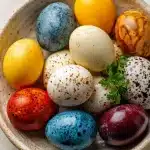
Naturally Dyed Easter Eggs
- Prep Time: 20 minutes
- Cook Time: 30 minutes
- Total Time: 50 minutes
- Yield: 12 eggs 1x
- Category: Craft
- Method: Dyeing
- Cuisine: American
- Diet: Vegetarian
Description
A fun and engaging family activity that involves crafting beautiful, naturally dyed Easter eggs using simple ingredients.
Ingredients
- Hard-Boiled Eggs
- 2 Cups Water per dye color
- 2 Tablespoons White Vinegar per dye color
- Skins from 4 Yellow Onions
- 2 Tablespoons Turmeric
- ½ Head Red Cabbage
- 1 Beet, chopped or shredded
- 2 Tablespoons Chili Powder
- 1 Bunch Fresh Parsley
Instructions
- Begin by boiling 2 cups of water in a saucepan.
- Once your water reaches a rolling boil, add the color-producing ingredients.
- Carefully strain the liquid into pint jars or bowls, discarding the solid dye ingredients.
- Once the dye is cool, add 2 tablespoons of white vinegar to each jar.
- Gently place your hard-boiled eggs into the dye.
- Let the eggs soak in the dye for at least 20 minutes.
- After reaching your desired color, remove the eggs and blot them dry.
- Allow them to air dry completely before storing in the refrigerator.
Notes
For optimal results, allow the dye ingredients to simmer for at least 25 minutes and monitor the soaking time for desired color depth.
Nutrition
- Serving Size: 1 egg
- Calories: 60
- Sugar: 0g
- Sodium: 70mg
- Fat: 5g
- Saturated Fat: 1.5g
- Unsaturated Fat: 3.5g
- Trans Fat: 0g
- Carbohydrates: 1g
- Fiber: 0g
- Protein: 5g
- Cholesterol: 186mg
